
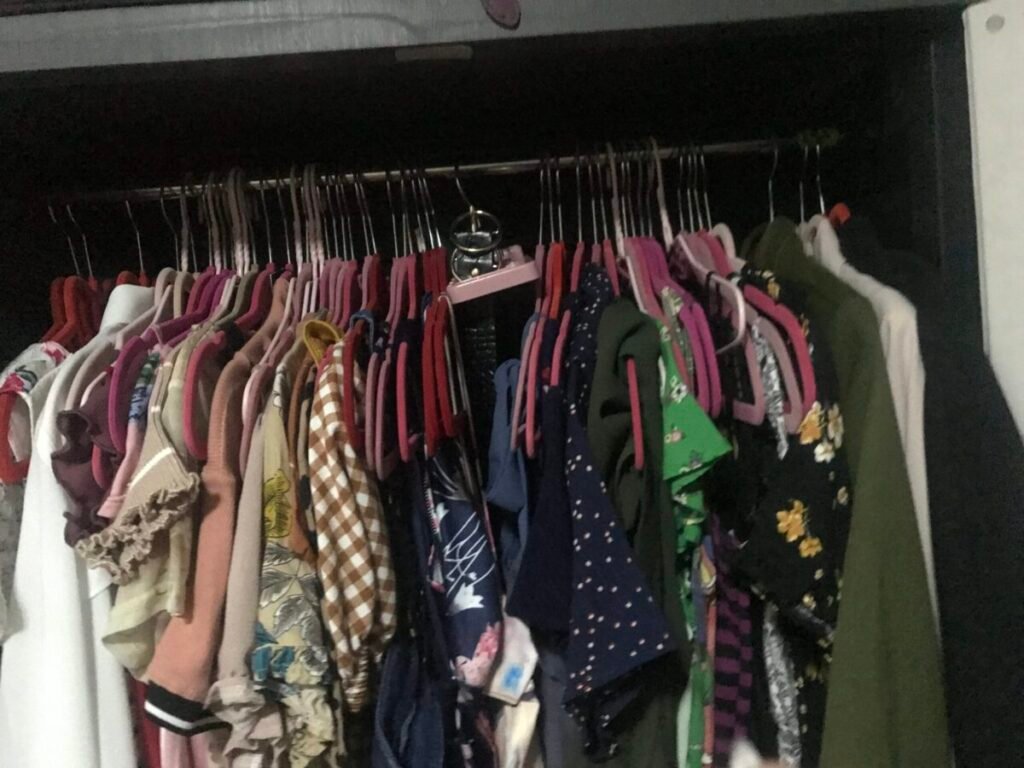
Seasonal Laundry & Wardrobe Care for DC’s Humid Summers and Cold Winters
Washington DC’s climate is genuinely rough on clothes. Summer humidity works its way into fabric and closets alike, and winter brings salt, slush, and heavy coats that need very different care than a July t-shirt. Treating every season the same way is one of the fastest ways to shorten your wardrobe’s life.
Why DC Humidity Is a Bigger Laundry Problem Than It Seems
High humidity doesn’t just make laundry day uncomfortable — it creates real conditions for mildew and musty odors in stored clothing, especially in basement-level units or older buildings without great ventilation. The EPA’s brief guide to mold and moisture notes that keeping indoor humidity below 60 percent, and ideally between 30 and 50 percent, is key to preventing mold growth — which applies just as much to a closet full of clothes as it does to a bathroom. Their broader mold resource center and guide on controlling moisture in the home both cover practical steps worth applying to closets and laundry rooms specifically.
Getting Ahead of DC’s Season Swings
Checking the National Weather Service’s DC climate data makes the seasonal swing obvious — the jump from humid, sticky summers to cold, damp winters is significant enough that wardrobe care really does need to shift with it, not just the clothes themselves.
Practical Seasonal Habits
In summer, clothes should be fully dry before they go back in a closet — even slightly damp fabric in DC’s humidity is an invitation for mildew. In winter, wool coats and sweaters need gentler care than a wash-and-dry cycle designed for cotton, and salt stains from icy sidewalks should be treated promptly rather than left to set over the season.
Let Us Handle the Seasonal Switch
Our dry cleaning service is built for exactly this kind of seasonal garment care, and our wash and fold service handles the everyday side of it. If you’re near Cleveland Park, check our linen service in that neighborhood, and see our pricing page for seasonal item rates like coats and wool sweaters.
Frequently Asked Questions
Should I store winter coats differently than summer clothes?
Yes — wool and heavy coats do best cleaned before storage and kept in breathable garment bags rather than sealed plastic, which can trap moisture and encourage mildew.
How do I know if my closet has a humidity problem?
Musty odors, visible spotting on stored fabric, or clothes that feel damp even after being put away clean are all signs worth addressing — a dehumidifier or better closet ventilation usually solves it.